[:es]
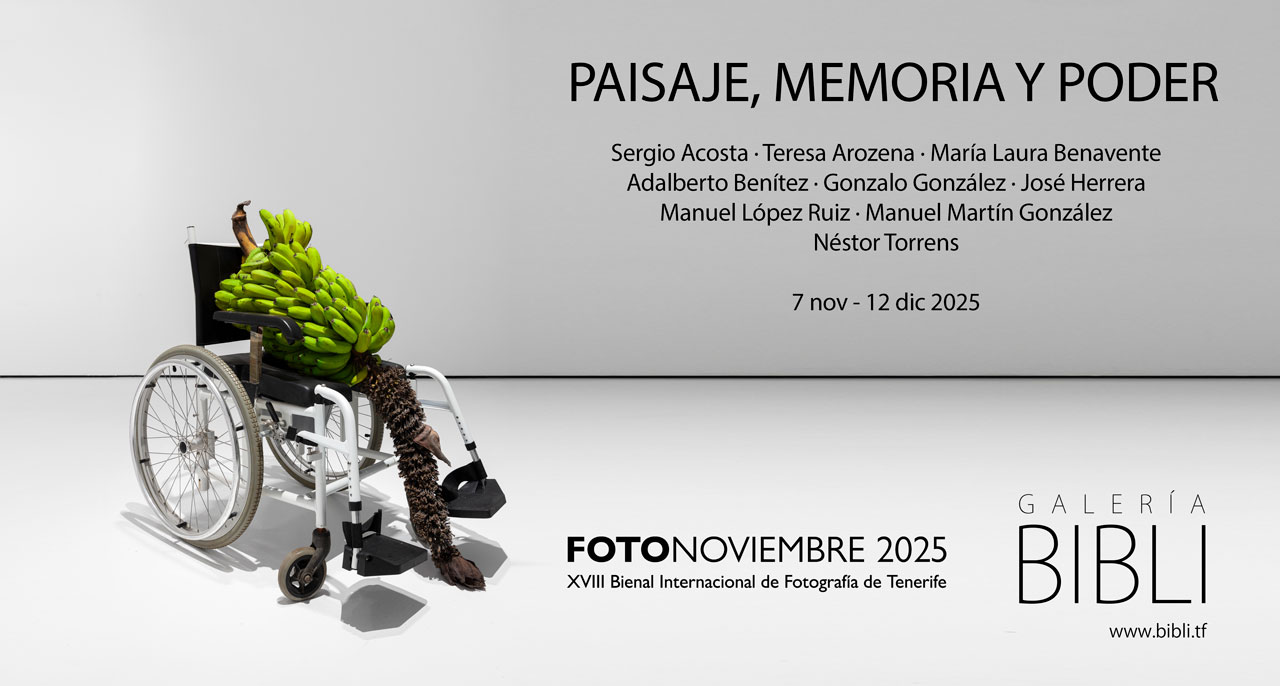
La Galería BIBLI acoge la exposición «Paisaje, memoria y poder» que forma parte de la sección Focus de la Bienal Internacional de Fotografía Fotonoviembre 2025. La muestra que se podrá visitar del 7 de noviembre al 12 de diciembre,cuenta con obra de los artistas Teresa Arozena, María Laura Benavente, Adalberto Benítez, Gonzalo González, José Herrera, Manuel López Ruiz, Manuel Martín González, Néstor Torrens y Sergio Acosta.
La imagen del paisaje se revela aquí no como un espejo transparente de la naturaleza, sino como un territorio cargado de memorias, tensiones y significados. La exposición propone revisitar este concepto a través de obras de pintura, fotografía, escultura e instalación que cuestionan su representación y despliegan sus múltiples dimensiones simbólicas. Más que una cuestión de apariencia, el paisaje aparece como un entramado cultural atravesado por dinámicas históricas, políticas, sociales y ambientales.
Las piezas reunidas muestran cómo el territorio se ha configurado tanto por la acción humana como por los relatos que lo interpretan y lo legitiman, generando fricciones entre naturaleza y artificio, contemplación y explotación, memoria y transformación. El paisaje se entiende aquí como un campo de disputa, donde se cruzan intereses materiales y simbólicos, y donde se vuelve necesario interrogar las formas en que habitamos, intervenimos y representamos nuestro entorno.
A su vez, la exposición aborda la imagen del paisaje en relación con tres miradas: la del espectador, que proyecta imaginarios sobre lo contemplado; la de quien produce las imágenes, que define encuadres y narrativas; y la de quien las exhibe, que organiza y condiciona su recepción. Estas mediaciones revelan que el paisaje nunca se nos ofrece como evidencia inmediata, sino como una construcción hecha de elecciones, silencios y estrategias de visibilización.
De ahí que lo que vemos en el paisaje no pueda asumirse como verdad pura: su imagen no es un reflejo, sino un discurso, un artificio que produce realidad a la vez que la representa. Así, esta exposición invita a pensar el paisaje no sólo como escenario, sino como un dispositivo crítico de producción de sentido, un lugar donde se negocian constantemente las relaciones entre territorio, poder y mirada.
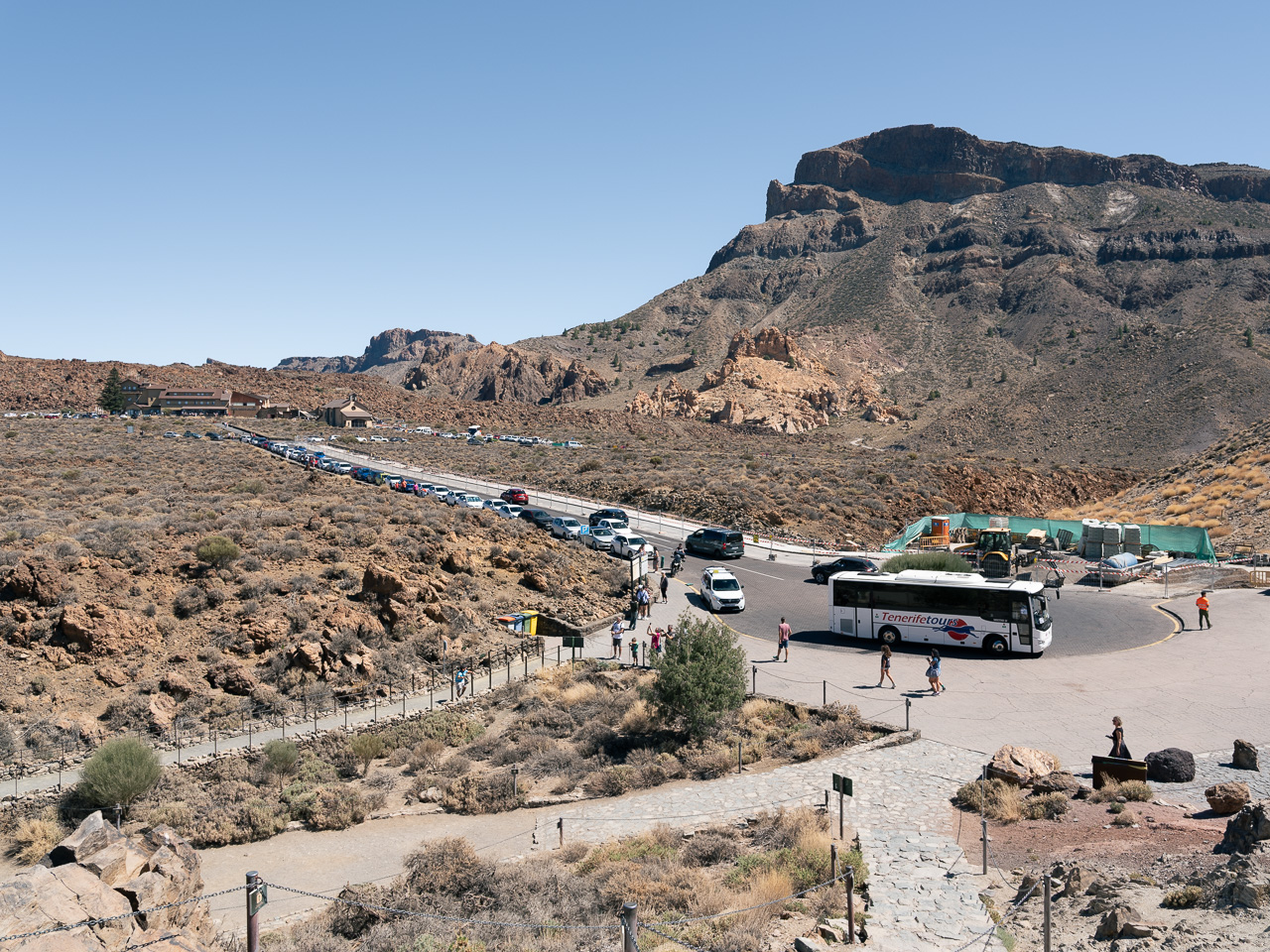
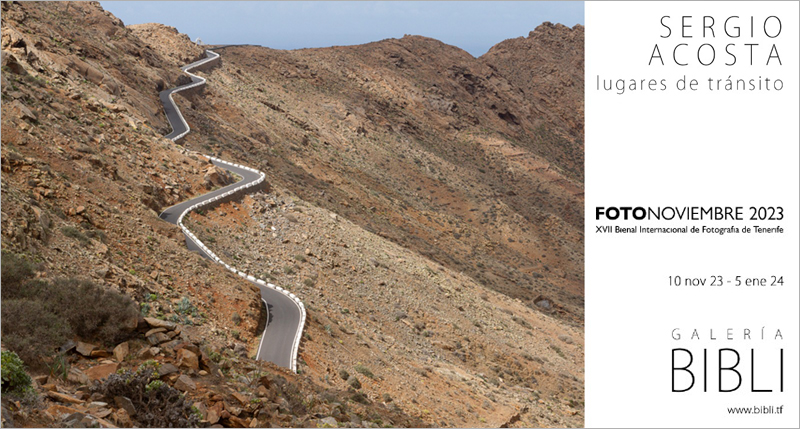
Sergio Acosta – Lugares de tránsito – Paisaje, memoria y poder | Fotonoviembre 2025.
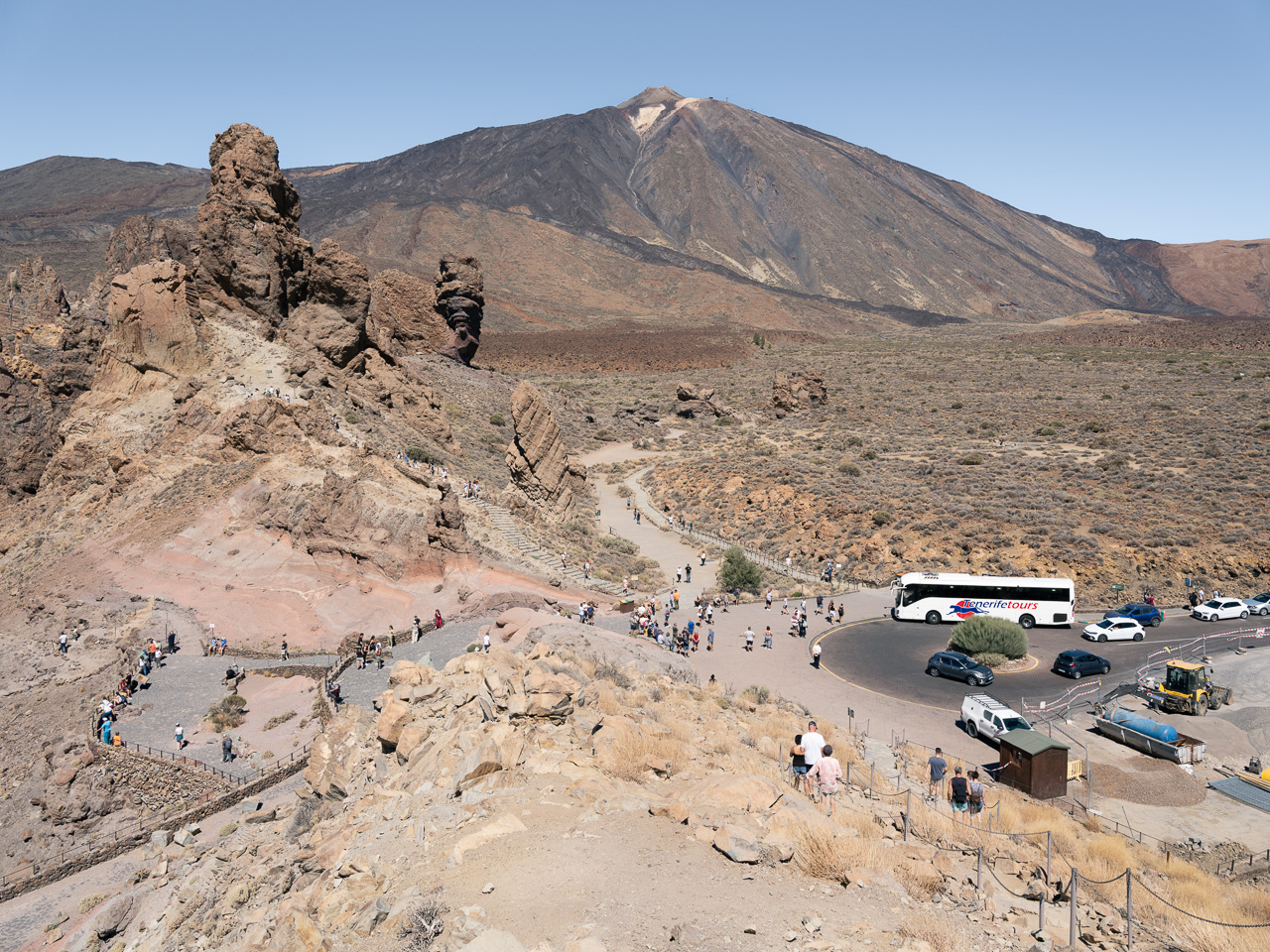
Sergio Acosta – Lugares de tránsito – Paisaje, memoria y poder | Fotonoviembre 2025.
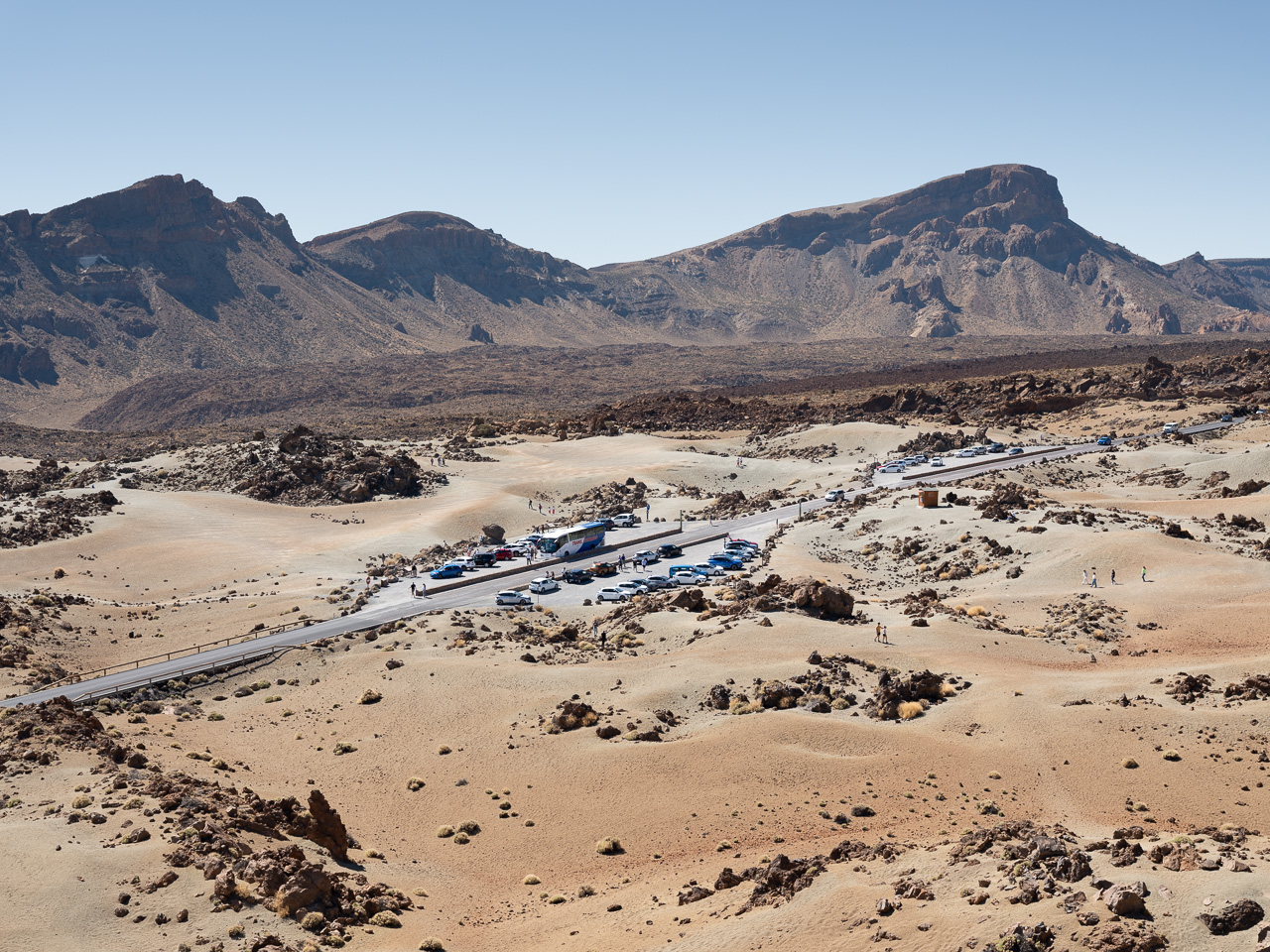
Sergio Acosta – Lugares de tránsito – Paisaje, memoria y poder | Fotonoviembre 2025.
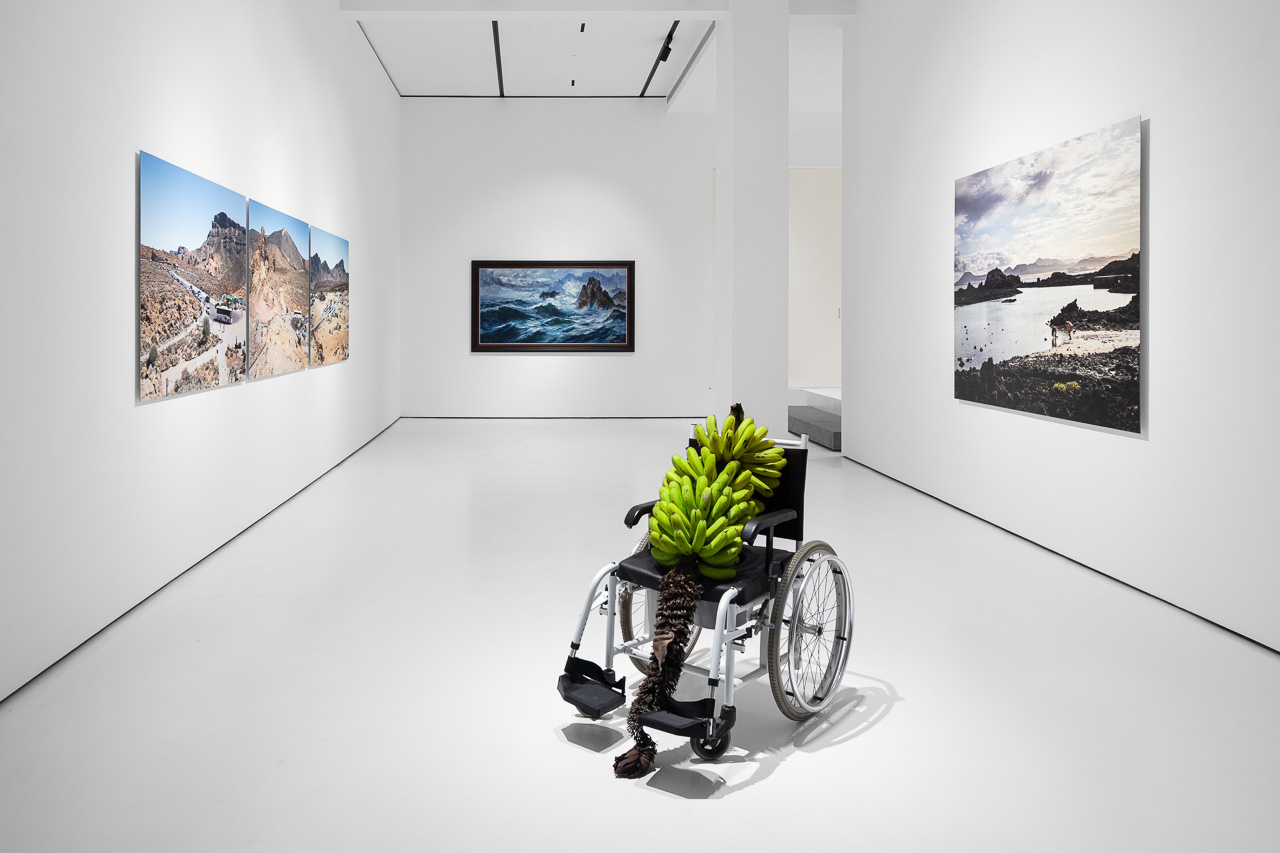
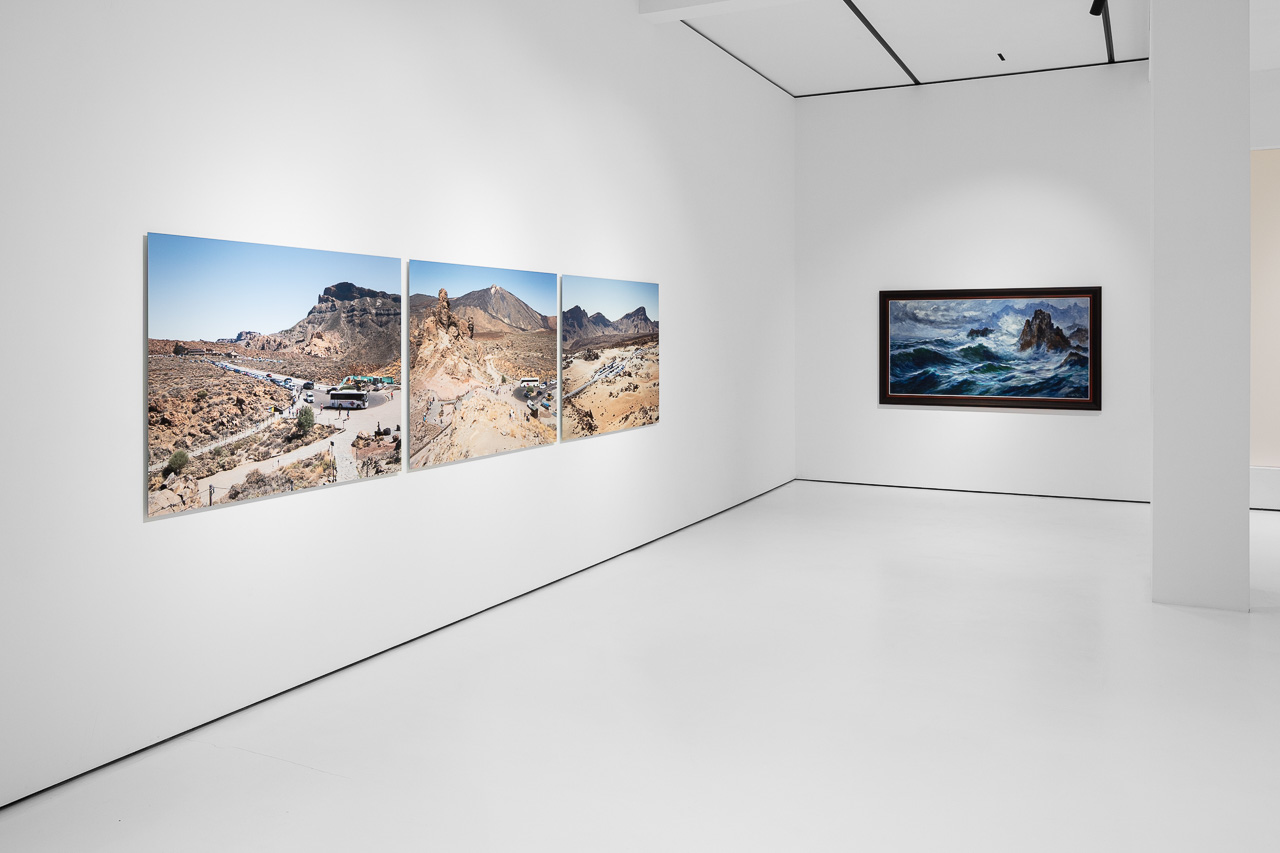

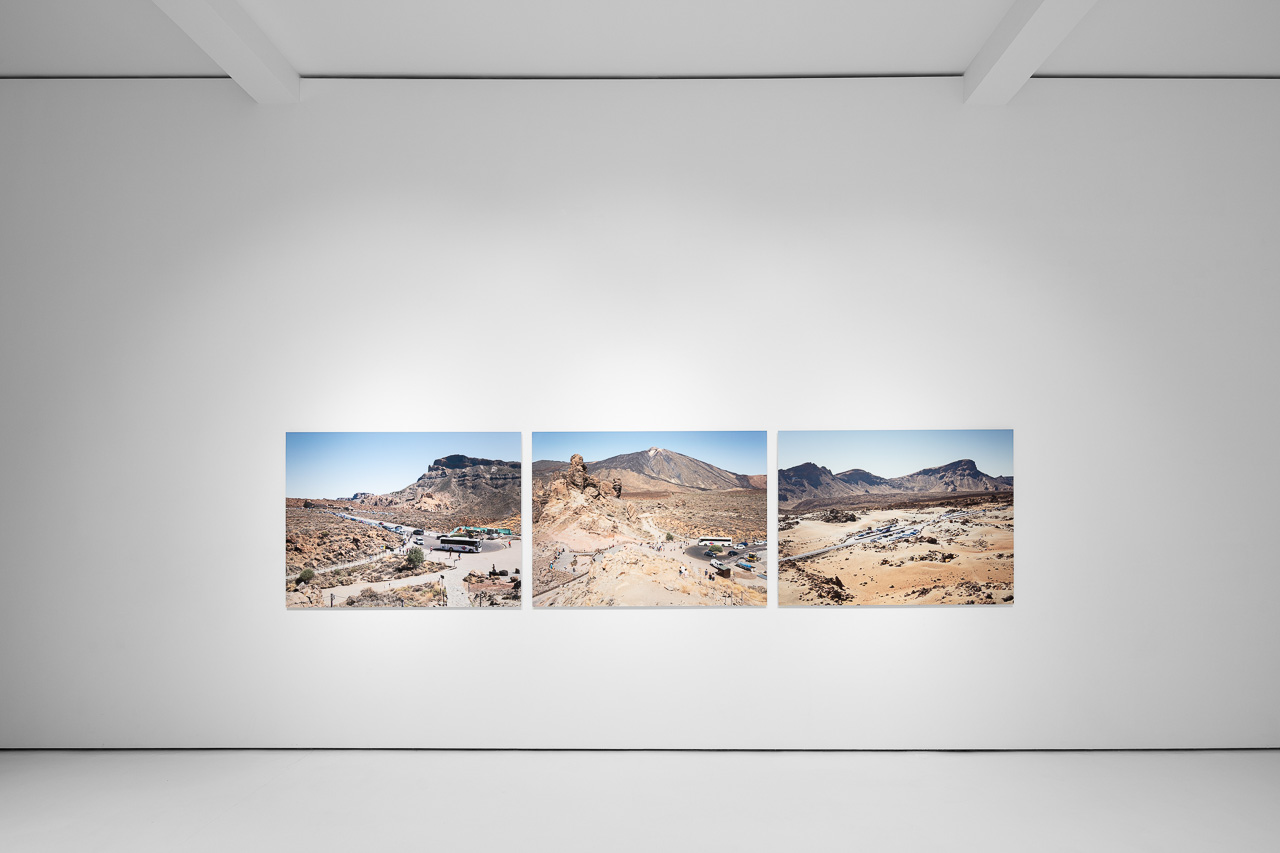 [:en]
[:en]
The BIBLI Gallery is hosting the exhibition «Landscape, Memory, and Power,» part of the Focus section of the International Photography Biennial Fotonoviembre 2025. The exhibition, which runs from November 7 to December 12, features works by artists Teresa Arozena, María Laura Benavente, Adalberto Benítez, Gonzalo González, José Herrera, Manuel López Ruiz, Manuel Martín González, Néstor Torrens, and Sergio Acosta.
The image of the landscape is revealed here not as a transparent mirror of nature, but as a territory laden with memories, tensions, and meanings. The exhibition proposes a revisiting of this concept through paintings, photographs, sculptures, and installations that question its representation and unfold its multiple symbolic dimensions. More than a matter of appearance, the landscape emerges as a cultural framework traversed by historical, political, social, and environmental dynamics.
The assembled pieces show how the territory has been shaped both by human action and by the narratives that interpret and legitimize it, generating friction between nature and artifice, contemplation and exploitation, memory and transformation. The landscape is understood here as a field of dispute, where material and symbolic interests intersect, and where it becomes necessary to question the ways in which we inhabit, intervene in, and represent our environment.
In turn, the exhibition addresses the image of the landscape in relation to three perspectives: that of the viewer, who projects imaginaries onto what is contemplated; that of the image producer, who defines framing and narratives; and that of the exhibitor, who organizes and conditions its reception. These mediations reveal that the landscape is never offered to us as immediate evidence, but rather as a construction made of choices, silences, and strategies of visibility.
Hence, what we see in the landscape cannot be assumed to be pure truth: its image is not a reflection, but a discourse, an artifice that produces reality while simultaneously representing it. Thus, this exhibition invites us to think of the landscape not only as a setting, but as a critical device for the production of meaning, a place where the relationships between territory, power and gaze are constantly negotiated.
[:]

![[:es]Exposición «Lugares de tránsito» en la Galería BIBLI – Fotonoviembre 2023[:en]Exhibition «Transit Places (Lugares de tránsito)» at the BIBLI Gallery – Fotonoviembre 2023[:]](https://www.sergioacosta.es/wp-content/uploads/2023/11/202311_bibli_lugares-de-transito-1-500x383.jpg)
![[:es]Vacíos del Agua – Espacio TEA Candelaria[:en]Vacíos del Agua (Water Voids) – Espacio TEA Candelaria[:]](https://www.sergioacosta.es/wp-content/uploads/2022/06/vacios-del-agua_sergio-acosta_tea-candelaria-500x383.jpg)
![[:es]Fotonoviembre 2021 – FN21 – Días maravillosos[:en]Fotonoviembre 2021 – FN21 – Having a wonderfull time[:]](https://www.sergioacosta.es/wp-content/uploads/2021/10/Fotonoviembre-2021_FN21-reensamblaje_720x360-500x383.jpg)
![[:es]Erráticas trashumantes[:en]Erráticas trashumantes (Transhumance drift)[:]](https://www.sergioacosta.es/wp-content/uploads/2021/10/sergio-acosta_solar_erraticas-trashumantes_cañada-lagunera-00a_720x-500x383.jpg)